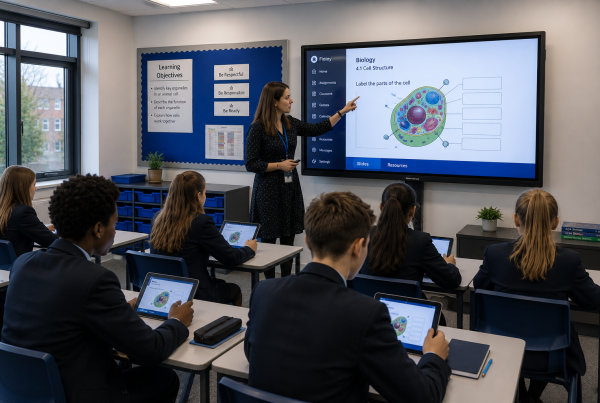

The best learning starts with connection
Academic success begins long before the first lesson. When children feel safe, included, and understood, they’re more likely to participate, collaborate, and enjoy learning. The right activities for kindergarten students and activities for elementary students don’t require expensive resources or complicated planning; they simply encourage children to connect with themselves and those around them.
Here are 15 simple activities that teachers can easily include in their daily classroom routine.
1. Emotional weather report
Ask students to describe their feelings using weather words such as Sunny, Cloudy, Rainy, or Stormy. This quick morning check-in helps teachers understand the emotional state of the classroom while encouraging children to express their feelings in a simple, non-intimidating way. It’s one of the easiest morning activities for students that takes less than two minutes.
2. Emoji mood board
Create a board with different emoji faces and let students place their name or a magnet under the emoji that matches their mood. Younger children often find it easier to recognise emotions visually rather than verbally. This activity also helps teachers identify students who may need additional support.
3. Gratitude circle
Invite each student to share one thing they’re grateful for before lessons begin. This simple exercise encourages positive thinking, improves classroom relationships, and creates a welcoming atmosphere that supports emotional wellbeing.
4. Emotion charades
Write different emotions on cards and let students act them out while classmates guess the feeling. These creative activities for students improve emotional vocabulary, empathy, and communication while keeping the classroom lively and engaging.
5. Storytelling with feelings
Read a short story and pause at different moments to ask, “How do you think this character feels?” This helps children understand emotions from different perspectives while strengthening comprehension and critical thinking.
6. Kindness challenge
Encourage every student to perform one unexpected act of kindness during the day. At the end of class, discuss how those actions affected others. These small social-emotional activities help children understand that positive behaviour can influence the entire classroom.
7. Partner compliment cards
Pair students and ask them to write or say one positive thing about each other. Besides improving confidence, this activity strengthens friendships and promotes a culture of encouragement.
8. Classroom helper roles
Assign daily responsibilities such as line leader, library helper, plant caretaker, or technology assistant. Giving children responsibility builds confidence, independence, and a sense of belonging.
9. Reflection journals
Ask students to complete prompts such as “Today I learned…” or “Today I felt proud because…”. Reflection encourages self-awareness while giving teachers valuable insights into students’ experiences. As students grow, these habits also contribute to better organisation and self-discipline. Read our guide on time management strategies for students to discover practical ways to help learners build lifelong planning and productivity skills.
10. Collaborative classroom puzzles
Provide groups with a puzzle or challenge that requires teamwork instead of individual competition. These classroom activities for students strengthen communication, cooperation, and problem-solving skills.
11. Calm corner breaks
Create a dedicated classroom space where students can spend a few minutes calming themselves using books, breathing exercises, or sensory tools. This teaches emotional regulation without making children feel punished.
12. Colour your feelings
Give students different colours to represent emotions and ask them to draw how they feel. This works particularly well as one of the activities for kindergarten students, helping children express emotions before they have the vocabulary to explain them.
13. Classroom discussion cards
Prepare age-appropriate discussion prompts such as “What makes a good friend?” or “What would you do if someone felt left out?” These conversations encourage empathy and respectful communication among activities for elementary students.
14. Team-building games
Simple games like “Human Knot,” “Build the Tallest Tower,” or “Pass the Story” encourage teamwork while making learning enjoyable. They also help quieter students become active participants.
15. End-of-day reflection
Before dismissal, ask students to share one thing they enjoyed or learned during the day. Ending on a positive note reinforces learning, encourages reflection, and helps teachers understand what resonated most with the class.
Why these activities matter
The best classrooms don’t rely on one big programme; they rely on small, consistent habits. Incorporating engaging classroom activities for students, regular morning activities for students, and meaningful social-emotional activities creates a positive classroom environment and its impact on learning, making the benefits visible every day.
While these ideas naturally support social and emotional learning, organisations like CASEL highlight that supportive classroom environments and evidence-based SEL practices improve academic achievement, student behaviour, and emotional wellbeing. Their biggest benefit, however, is simple: they help children feel seen, valued, and ready to learn.
Frequently asked questions
1. Why are classroom activities important for kindergarten students?
2. How can teachers make morning activities more engaging?
3. What are the best activities for elementary students?
4. How do social-emotional activities improve learning?
5. How can teachers save time while planning classroom activities?
Help your teachers create engaging classroom activities in minutes
Planning fresh classroom activities every day can be time-consuming, especially when teachers need to cater to different age groups and learning styles. That’s where the AI-powered Teaching Assistant by iScuela can help. It instantly generates engaging classroom activities, creative lesson ideas, discussion prompts, worksheets, quizzes, and age-appropriate learning experiences tailored to kindergarten, elementary, and higher grades—helping educators spend less time planning and more time teaching.
Want to see how it works? Book a free demo and discover how iScuela’s AI-powered Teaching Assistant can simplify lesson planning and help teachers create more engaging classrooms.